Build Your Home With a VA One-Time-Close Construction Loan
One closing. One loan. Zero payments while your home is being built. The VA one-time-close construction loan lets eligible veterans finance the land and the build with up to 100% financing and no down payment.
VA one-time-close loan: a VA construction loan that combines construction financing and the permanent mortgage into a single loan with a single closing. The veteran closes once, the home gets built, and the loan converts to a permanent mortgage when construction is complete. During the build, the borrower makes zero mortgage payments.
- A VA one-time-close loan means one closing, one interest rate, and one set of closing costs for the entire build.
- Eligible veterans can finance up to 100% of the total project cost with no down payment.
- There are two paths: an OTC purchase for veterans who do not own land yet, and an OTC refinance for veterans who already own their lot.
- The interest rate is locked before construction starts, and the borrower makes no mortgage payments during the build.
- The builder must be vetted and approved by the lender; the borrower cannot act as the builder.
- The finished home must be the veteran's primary residence and meet VA minimum property requirements.
- Michael Easton is licensed to originate VA one-time-close loans in Alabama, Arizona, Florida, Georgia, Indiana, Kentucky, Missouri, North Carolina, Tennessee, and Texas.
What Is a VA One-Time-Close Loan?
A VA one-time-close (OTC) construction loan combines your construction financing and your permanent mortgage into a single loan with a single closing. You close once, your home gets built, and when construction is finished the loan converts to your permanent mortgage. No second closing. No re-qualifying. No surprises.
During construction, you make zero mortgage payments. The money to pay your builder is released in draws as inspections confirm each phase of the build. Your monthly payments begin after construction is complete and the loan modifies into the permanent mortgage.
For eligible veterans, the loan covers up to 100% of the project cost, which means no down payment. The VA funding fee applies and can be financed into the loan. The home must be your primary residence, and you will need a valid Certificate of Eligibility (COE).
How It Works, Step by Step
Building a home with a VA one-time-close loan follows a clear path. Here is what the journey looks like from your first conversation to the day you get your keys.
- Get pre-qualified for construction. This is not the same as a standard home purchase pre-qualification. Your lender reviews your VA eligibility (you will need your Certificate of Eligibility), income, credit, and the kind of project you have in mind. Be upfront about whether you already own land or still need to buy it, because that determines whether your loan is structured as a purchase or a refinance. Credit requirements vary by lender, so work with one who closes VA construction loans regularly.
- Find your land (if you do not own it yet). The lot needs year-round road access, a workable plan for water and sewage, and residential zoning. Your lender can tell you what the VA requires of the land before you buy, which saves you from purchasing a lot that will not qualify.
- Choose your builder and finalize your plans. Pick a licensed, insured builder with real experience, then work with them on blueprints and specifications. Bring your builder into the lender conversation early. The lender has to approve your builder before the loan can close, and that process runs smoother when everyone is talking from the start.
- Your builder gets approved. The lender reviews the builder's license, insurance, financial stability, and track record. This typically happens while the rest of your file is being put together, so it does not have to slow you down if you started early.
- The appraisal: valuing a home that does not exist yet. A VA appraiser values your future home from the plans and specs, then supports that value with comparable sales of similar homes nearby. On unique builds, this step deserves extra attention (more on that below).
- Close once. One closing covers the land, the construction budget, and your permanent loan. Your interest rate is locked before construction starts. The full construction budget is set aside in a controlled account, released to the builder in stages as work is completed and inspected.
- Construction: draws, inspections, progress. Your builder works through the project in phases. After each phase, an inspector confirms the work matches the plans, and the lender releases that phase's payment. You make zero mortgage payments during this entire period.
- Final walkthrough and conversion. When the home is complete, you walk through it with your builder, the final inspection confirms everything meets requirements, and the construction loan converts to your permanent mortgage. Your first regular monthly payment is scheduled, and the keys are yours.
OTC Purchase vs. OTC Refinance: Which One Is You?
The VA one-time-close comes in two versions. The right one depends on one question: do you already own the land?
OTC Purchase: You Don't Own Land Yet
If you have not bought your lot yet, an OTC purchase bundles the land and the construction into a single transaction with a single closing. You are not taking out one loan for the land and another for the build. There is one loan, one closing, one interest rate, and one set of closing costs.
Here is what "total acquisition cost" means in plain English: it is the land price plus the build price. If the lot costs $60,000 and the construction contract is $340,000, your total project cost is $400,000. For eligible veterans, up to 100% of that total can be financed, which means no down payment out of pocket.
At closing, you will sign for the lot purchase and the construction loan at the same table. The lot seller gets paid, the construction budget gets set aside in the controlled account, and your permanent loan terms are locked in. From that moment forward, the only thing left is the build itself.
A practical note: your builder will usually ask for a deposit to hold your spot in their schedule, and you may put earnest money down when you contract for the land. Keep receipts for every dollar. Money you already paid toward the project is typically credited in the transaction or reimbursed to you, so those early deposits are not lost.
This is the right path if you are starting from scratch: find the land, pick the builder, finalize the plans, and close once.
OTC Refinance: You Already Own the Land
If the lot is already yours, an OTC refinance pays off any existing lien on the land and finances the construction through the same single closing. You still get one closing, one rate locked upfront, and no payments during the build. The difference is in how the numbers work, and it depends on your situation.
Scenario one: you own the land free and clear. This is the strongest position. With no lot lien to pay off, more of the loan goes directly to construction. The equity you have in the land can also work in your favor on the VA funding fee, potentially reducing it.
Scenario two: you are still making payments on the lot. The remaining balance on your land loan gets paid off as part of the transaction. You walk into the build with one loan instead of two, and the lot payments you were making disappear into the new mortgage that does not start until construction is done.
Scenario three: the land was gifted or inherited. Gifted and inherited land is common, especially in rural areas and military families. It still qualifies. The key detail is documentation showing how and when you received it, so get that paperwork together early.
One thing that matters: how long you have owned the land can affect the funding fee calculation. Land held for more than a year is generally treated more favorably than land purchased recently. This is worth talking through with your lender before you apply, because timing can change your numbers.
This is the right path if the lot is already yours and you are ready to build on it.
The Construction Phase, Explained
This is the part most veterans have never seen up close: what actually happens between closing day and move-in day. Here is how it works in plain English.
Your Money Goes Into a Protected Account
At closing, the full construction budget is set aside in a controlled account. You do not get this money. Your builder does not get it all upfront either. It sits there, earmarked for your project, and gets released in stages as work is completed.
The Draw Schedule: Pay as the Work Gets Done
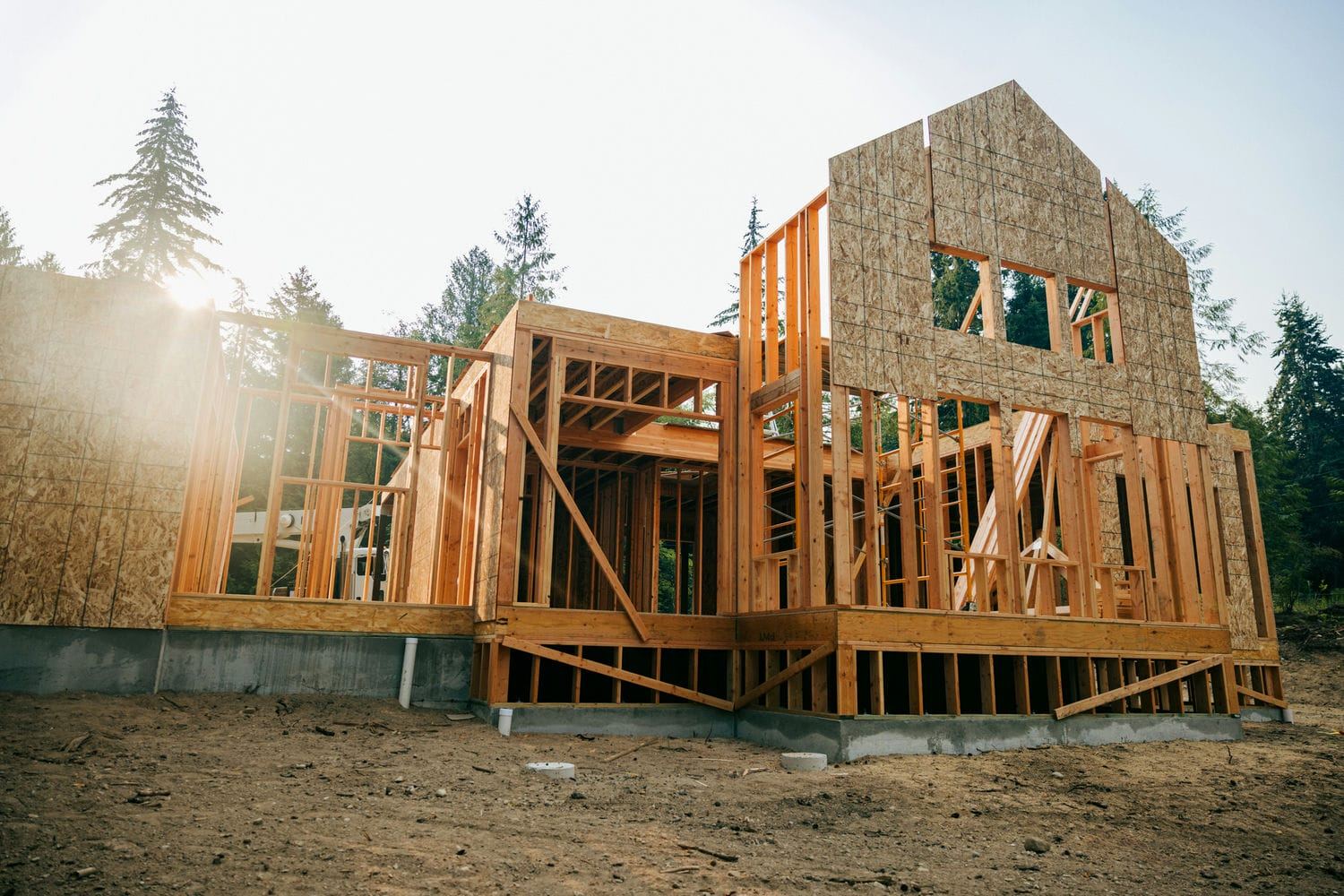
Before construction starts, your lender and builder agree on a draw schedule: a list of project milestones tied to payments. A typical schedule releases funds when the foundation is poured, when framing is complete, when the roof is on and the home is weather-tight, as plumbing, electrical, and HVAC go in, and the final portion when everything is finished.
Here is the key part: your builder only gets paid for work that is actually done. After each phase, an inspector visits the site, confirms the work matches the plans, and signs off. Only then does the lender release that phase's payment to the builder. This protects you. If a builder walks away mid-project or the work is not up to standard, the remaining money is still sitting in the account.
Progress Inspections Keep Everyone Honest
Expect an inspection at every major milestone. These are not casual walk-throughs. The inspector checks that the work matches the approved plans and specs and meets building standards. If something is not right, the draw does not get released until it is fixed. This is one of the quiet advantages of a construction loan: you have a professional set of eyes on your build at every stage, not just at the end.
How Long Does Construction Take?
Most VA construction projects are scheduled to run up to around 11 months from closing to completion. Your builder will give you a timeline based on the size and complexity of your home, local permit wait times, and the season. Weather, material delays, and subcontractor scheduling can all shift things, so build some cushion into your expectations.
What If There Are Delays?
Delays happen. Rain stalls framing. A permit takes longer than expected. Materials get backordered. Minor delays are normal and your lender has seen them all before. The important thing is communication: your builder should keep you and the lender updated, and the draw schedule keeps money tied to completed work no matter how the calendar shifts. If a delay is serious enough to threaten the overall timeline, talk to your lender early. There are processes for handling it, and they work best when nobody is surprised.
The Finish Line: Final Inspection and Conversion
When the last nail is in and the paint is dry, the final inspection happens. The inspector confirms the home is complete, matches the plans, and meets VA minimum property requirements. You will do your own final walkthrough with the builder too, and this is your chance to flag anything that needs attention before you sign off. Once everything passes, the construction loan converts to your permanent mortgage. Your first regular monthly payment is scheduled, and you get your keys.
Choosing the Right Builder
On a VA construction loan, your builder is not just a contractor. The lender has to approve them before your loan can close, and a builder who cannot pass that review will kill your deal no matter how good your plans look. Here is how to get this right.
How Builder Approval Works
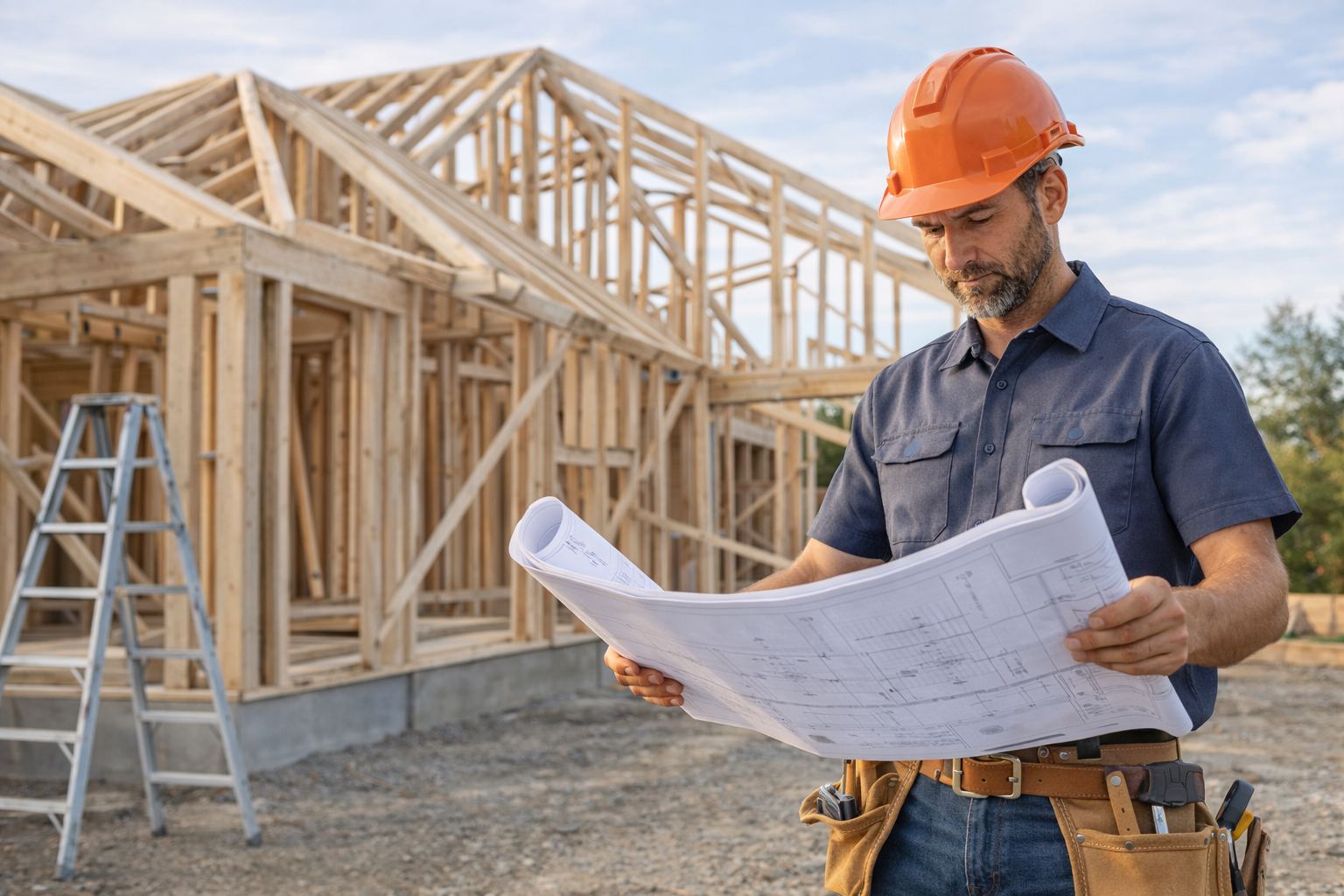
After you choose a builder, your lender reviews them. This typically includes verifying their business license, checking that they carry adequate insurance including general liability, reviewing their financial stability, and confirming they have real experience building the kind of home you want. The lender may also look at their track record: how many homes they have completed, whether they finish on time, and whether past clients have filed complaints. This is not the lender being difficult. They are about to trust this builder with hundreds of thousands of dollars, released in stages. They need to know the builder is legitimate and capable.
Questions to Ask Any Builder Before You Sign
- How many homes have you built in the last two years, and can I see them or talk to the owners?
- Are you licensed and insured? Can I see proof of both?
- Have you worked with VA construction loans or lender draw schedules before?
- What is your typical timeline for a home like mine, and what causes your delays?
- How do you handle change orders if I want something different mid-build?
- Who will be my day-to-day point of contact during construction?
- What warranty do you provide on your work?
Red Flags That Should Stop You Cold
Walk away from any builder who cannot show you a current license and proof of insurance. Be wary of anyone who demands a large cash payment upfront before work begins, pressures you to sign quickly without time to review, will not put the full scope of work and timeline in writing, or has no verifiable history of completed homes. A legitimate builder expects scrutiny. One who resists it is telling you everything you need to know.
Why You Cannot Be Your Own Builder
This comes up a lot, especially with veterans who have construction experience. The answer is no: on a VA construction loan, the borrower cannot act as the general contractor or perform the construction work themselves. The lender needs an independent, vetted builder managing the project, both for quality control and because the draw and inspection system depends on an arm's-length relationship between the builder and the borrower. If you have skills, you can still be involved in decisions and finishes, but the licensed builder runs the job.
Your Builder Makes or Breaks the Loan
VA construction loans have strict builder requirements. The wrong builder stalls your loan before it starts. Every builder in this network has been vetted by our lending partners for VA one-time-close construction and has the track record to prove it. The network is always growing, with more vetted builders being added.
Finding the Right Land
Not every lot works for a VA construction loan. Before you fall in love with acreage, here is what the land itself needs to check out.
Year-Round Road Access
The property needs to be reachable by a road that is usable in every season. A lot at the end of an unmaintained dirt track that washes out every spring is going to be a problem. This is a VA requirement, not a preference: emergency vehicles need to reach the home, and the appraiser needs to reach it too.
Utilities, Water, and Sewage
The lot needs a realistic plan for electricity, water, and sewage. That can mean public utilities at the lot line, or it can mean a well and septic system, both of which are common and perfectly fine. What matters is that the plan is workable and permitted. If the lot needs a well, the water has to test safe. If it needs septic, the soil has to absorb water properly. Your builder should know how to evaluate this before you buy.

Zoning Must Allow a Home
Check that the lot is zoned for residential construction. This sounds obvious, but veterans have purchased beautiful parcels only to learn the zoning allows agricultural use but not a residence, or that local restrictions limit the size or type of home. A quick call to the county planning office before you buy can save you from an expensive mistake.
The Foundation Cannot Already Be Poured
This one surprises people. For a project to qualify as new construction, the foundation cannot already be completed. If you are looking at a lot where a previous owner started building and walked away, leaving a foundation in the ground, that project needs extra review and may not qualify. Talk to your lender before you buy a lot like this.
Demolishing an Existing Structure
If the lot has an old structure on it that needs to come down, that is generally fine as long as the demolition cost is included in the construction budget. Tear-downs on otherwise great lots are a legitimate path. Just make sure the numbers work: demolition plus new construction still has to appraise.
Outbuildings Are Fine
Barns, sheds, workshops, and detached garages already on the property are generally not a problem. The VA cares about the home you are building, not the outbuildings around it.
The Appraisal: Valuing a Home That Does Not Exist Yet
The appraisal is the step that deserves more of your attention than any other, because it works differently on a construction loan than on a regular home purchase.
How a Construction Appraisal Works
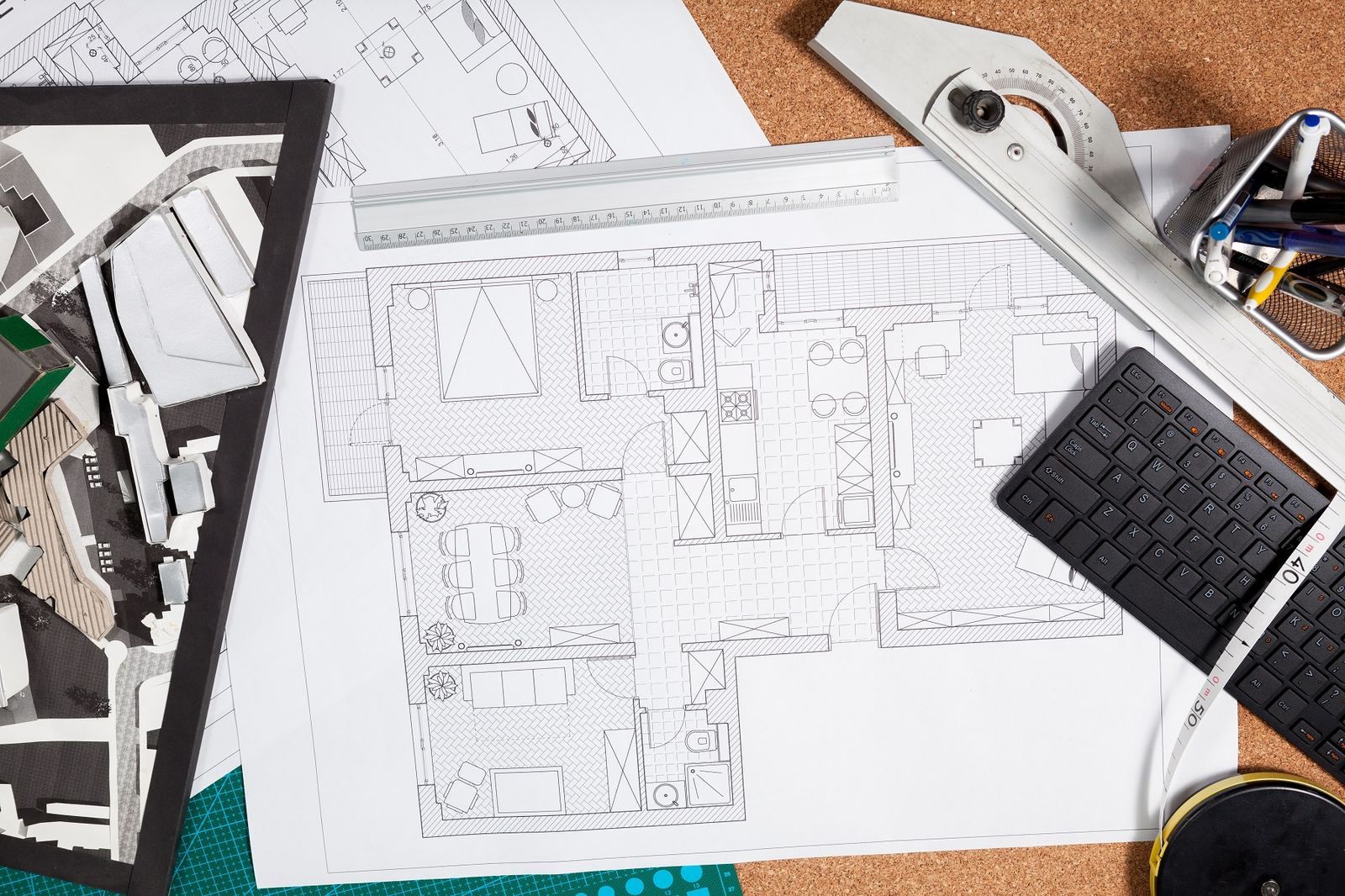
On a normal purchase, the appraiser walks through a finished house. On your build, there is no house yet. Instead, the VA appraiser values your future home from the plans and specifications: the blueprints, the materials list, the finishes, the square footage, the lot. They build a picture of what the completed home will be worth, then support that value the same way they always do, with comparable sales of similar homes nearby.
Why Comparable Sales Matter So Much
The appraiser has to find recently sold homes similar to yours in size, style, quality, and location. On a standard three-bedroom in a subdivision, that is routine. The appraiser pulls comparable sales and the value is well supported. This is why the appraisal deserves extra attention on any construction project: you are asking the appraiser to defend the value of a home that exists only on paper.
A Special Note on Barndominiums and Unique Builds
Barndominiums, modern farmhouses with shops, and other nontraditional builds are eligible for VA construction financing. But the appraisal is where these projects live or die. The appraiser needs comparable sales of similar unique homes showing that the market actually accepts and pays for this kind of property. In areas where barndos are common, comps exist and deals close. In areas where yours would be the first one in the county, the appraiser may struggle to support the value, and that can stall or sink the loan. Before you commit to land and plans for a unique build, have an honest conversation with your lender about how appraisals have gone on similar projects in your area.
What You Can Do to Help the Appraisal
Choose plans that fit the neighborhood. A 4,000-square-foot luxury build on a street of 1,400-square-foot starter homes is going to be hard to appraise no matter how nice it is. Keep your finish selections reasonable for the area. And work with a lender who closes construction loans regularly: they will know which appraisers understand new construction and how to position your file for a clean valuation.
What It Actually Costs
Let us talk money in plain English: what you pay, what you do not pay, and where the costs land on a VA one-time-close loan.
Up to 100% Financing: What That Really Means
Eligible veterans can finance up to 100% of the total project cost. That means the land and the construction, with no down payment out of your pocket. This is one of the biggest advantages of the program: on a conventional construction loan, you would typically need a significant down payment before anyone breaks ground.
The VA Funding Fee
The VA charges a funding fee on its loans, and construction loans are no exception. The good news: you do not have to pay it out of pocket. It can be financed into the loan amount. Some veterans are exempt from the funding fee entirely, typically those with a service-connected disability rating. If you own your land already, the equity in it can sometimes reduce the fee.
One Set of Closing Costs Instead of Two
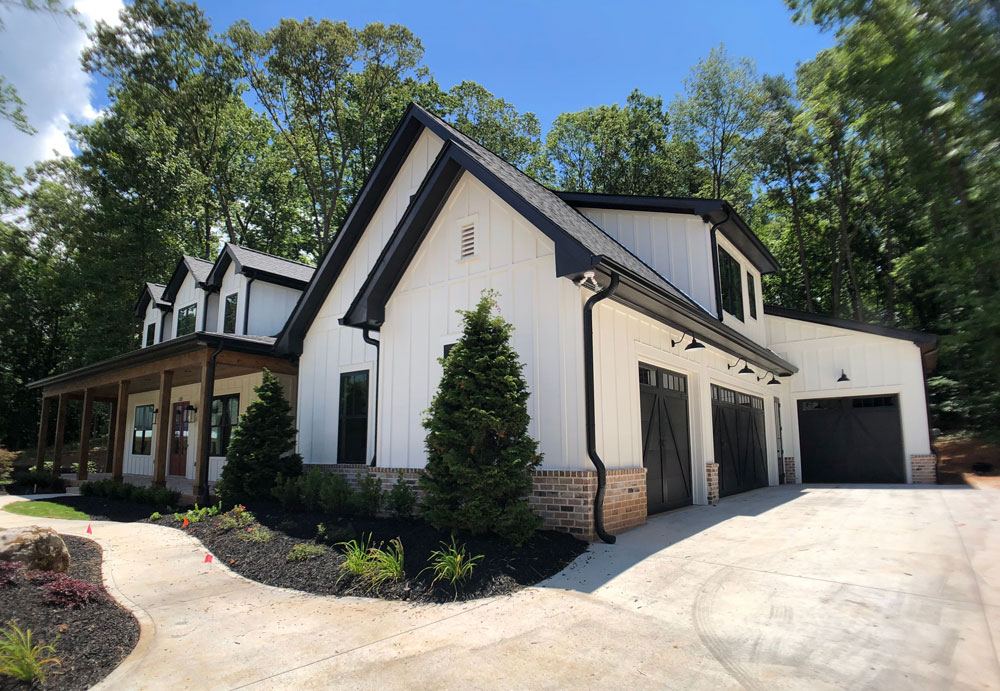
This is where the one-time close really pays for itself. On a two-time close, you pay closing costs on the construction loan, then pay them again when you refinance into the permanent mortgage. With the OTC, there is one closing and one set of closing costs. On a large project, that single difference can save you thousands.
No Mortgage Payments During Construction
Here is how this works in practice. During the build, the loan exists and the project is funded, but you do not write a monthly mortgage check. Your obligation to make payments begins when the home is complete and the loan converts to the permanent mortgage. You still need somewhere to live during construction and you still have your normal living expenses, but you are not carrying a mortgage payment on a home you cannot live in yet.
Deposits and Earnest Money
Your builder will usually require a deposit to schedule your project, and you may put earnest money down on the land. Keep receipts for everything. Money you already paid toward the project can typically be credited back to you or counted in the transaction, so those early deposits are not lost. What you cannot do is take cash out at closing beyond reimbursement for what you already spent.
Requirements Vary by Lender
Things like minimum credit scores, reserve requirements, and specific fees differ from lender to lender on construction loans. The VA sets the program rules, but each lender adds its own requirements on top. This is another reason to work with a lender who does VA construction regularly: they will tell you exactly what they need upfront instead of surprising you mid-process.
One-Time Close vs. Two-Time Close
Not every construction loan is a one-time close. Here is the difference that matters.
| One-Time Close | Two-Time Close | |
|---|---|---|
| Number of closings | One | Two (construction loan, then refinance) |
| Closing costs | One set | Two sets, paid twice |
| Interest rate | Locked before construction | Reset at refinance, rate risk in between |
| Qualifying | Qualify once | Must re-qualify for the permanent loan |
| Payments during build | None | Varies by lender and loan type |
Mistakes That Kill a VA Construction Deal
Most failed VA construction files do not fail because the veteran was unqualified. They fail because of avoidable mistakes early in the process. Here are the ones to watch for.
Pouring the Foundation Before Closing
Once the foundation is in the ground, the project may no longer qualify as new construction. Do not let anyone start site work before your loan closes.
Trying to Be Your Own Builder
The VA does not allow it, and no lender workaround changes that. You need a licensed, approved builder running the project.
Signing With a Builder Who Cannot Get Approved
A great personality is not the same as a license, insurance, and financial stability. Vet your builder before you sign anything, not after.
Buying Land in a Separate Deal With No Plan
If you buy the lot on your own with no construction loan lined up, you may end up paying for land you cannot build on with VA financing. Line up the whole project first.
Assuming Any Lender Can Do This
Most lenders do not offer VA construction loans at all. Of those that do, many close only a handful a year. Ask how many the lender closed in the last twelve months. Hesitation is your answer.
Choosing Plans That Will Not Appraise
An overbuilt home for the neighborhood or a unique design with no comparable sales is an appraisal problem waiting to happen. Fit the project to the market.
A Realistic Timeline, Start to Finish
Every project is different, but here is what the phases typically look like so you can plan your life around the build.
Getting pre-qualified, gathering your documents (including your COE), and having initial conversations about land and builders. If you already own land and have a builder in mind, this goes faster.
This is the most variable phase. Finding the right lot, selecting a builder, finalizing blueprints and specs, and getting the builder through lender approval. Rushing this phase causes problems later, so give it the time it needs.
The VA appraisal from plans, plus the lender's full underwriting review. Construction files take longer than standard purchases because there are more moving parts: builder approval, budget review, and draw schedule all happen here.
Final documents, the single closing, and funding. After this, the construction clock starts.
Site prep, foundation, framing, roofing, mechanicals, finishes, and final inspection, with draws released and inspections passed at each stage.
Final walkthrough, last inspections, loan conversion to the permanent mortgage, and keys in your hand.
All in, a typical project runs roughly 12 to 18 months from first phone call to move-in day. The veterans who hit the shorter end of that range are the ones who had their land, builder, and plans lined up before they ever applied.
VA OTC vs. Your Other Options
A VA one-time-close loan is not the only way to get into a newly built home. Here is how it stacks up against the alternatives, honestly.
VA One-Time-Close
No down payment, no monthly mortgage insurance, one closing, one locked rate, and no payments during construction. If you are an eligible veteran building a primary residence, this program is purpose-built for you.
Buying an Existing Home With a VA Loan
If you are open to an existing home, a standard VA purchase loan is simpler, faster, and available from far more lenders. You skip the construction timeline, the builder approval, and the appraisal from plans entirely. The tradeoff is obvious: you get someone else's floor plan, not yours. Choose the OTC when the home you want does not exist yet. Choose the standard purchase when it does.
FHA Construction Loans
FHA does back construction loans, but they come with a down payment requirement (typically 3.5%) and monthly mortgage insurance premiums that VA loans do not have. For an eligible veteran, the VA program is almost always the better deal on cost. FHA construction can make sense for buyers who are not VA-eligible.
Conventional Construction Loans
Conventional construction financing usually means a two-time close: a short-term construction loan followed by a separate permanent mortgage. Expect a meaningful down payment, two sets of closing costs, and the risk that rates move against you between the two closings. Borrowers with strong credit and large down payments sometimes prefer conventional for flexibility, but for most veterans building a primary residence, the VA OTC wins on cost and simplicity.
The Bottom Line
If you are an eligible veteran building a primary residence, the VA one-time-close is purpose-built for you: no down payment, no monthly mortgage insurance, one closing, and no payments during construction. The other options exist for people the VA program does not serve. If it serves you, use it.
Why Veterans Choose the VA OTC Loan

Six reasons veterans pick the one-time-close over every other way to build:
Up to 100% Financing
No down payment for eligible veterans. Finance the land and the build in one loan.
One Closing, One Rate
Close once, lock your rate before construction, and skip the second round of costs and paperwork.
No Payments During Construction
Zero mortgage payments while your home is being built. Payments start when you move in.
No Monthly Mortgage Insurance
Like all VA loans, there is no monthly mortgage insurance premium.
Flexible Property Types
Site-built, modular, and manufactured homes all qualify. Unique builds like barndominiums are eligible if the appraisal supports the value.
Funding Fee Can Be Financed
The VA funding fee can be rolled into the loan amount instead of paid out of pocket.
What to Know Before You Start
Five facts to have straight before you go any further:
Your Builder Must Be Approved
You cannot do the construction work yourself. Your builder must be vetted and approved by the lender, which typically includes a review of their license, insurance, financial stability, and experience with this kind of project. Bring your builder in early, because a builder who cannot pass the review will stop the deal no matter how good the plans look.
Not Every Property Qualifies
The VA OTC loan is for new construction, not for renovating or rehabbing an existing home. The foundation cannot already be completed. Co-ops and attached condos are generally not eligible. The finished home must meet VA minimum property requirements: safe, sound, and sanitary, with year-round road access.
Construction Has a Timeline
The build phase typically runs up to around 11 months. Your lender will set the schedule with your builder and release funds in draws tied to completed inspections.
No Cash Back at Closing
You cannot take cash out at closing with a VA OTC loan. The only exception is reimbursement for deposits you already paid toward the project.
The Appraisal Deserves Your Attention
The VA appraiser values your home from the plans and specs before construction starts, then supports that value with comparable sales. On standard homes this is routine. On unique builds like barndominiums, good comps can be harder to find, so this step deserves extra attention. A lender who closes construction loans every week will know how to handle it.
Licensed Where You Are
I am licensed to originate VA one-time-close construction loans in these states:
VA One-Time-Close: Frequently Asked Questions
A VA one-time-close (OTC) construction loan combines construction financing and the permanent mortgage into a single closing. The veteran closes once, the home gets built, and the loan converts to a permanent mortgage when construction is complete. There is no second closing and no re-qualifying.
No. On a VA one-time-close loan, the borrower makes zero mortgage payments while the home is being built. Monthly payments begin after construction is complete and the loan converts to the permanent mortgage.
Yes. A VA OTC purchase covers the land purchase and the construction cost in one closing. The total project cost includes the lot price plus the build cost, and eligible veterans can finance up to 100 percent of it.
Yes. A VA OTC refinance is for veterans who already own their lot. Any existing lien on the land is paid off through the transaction, and the equity in the land can help reduce costs. How long you have owned the land can affect the calculation, so talk to a lender early.
A one-time close means one closing, one set of closing costs, and the interest rate is locked before construction starts. A two-time close uses a short-term construction loan first, then a separate refinance into a permanent mortgage later, which means two closings, two sets of costs, and the risk of rate changes or re-qualification.
Barndominiums and other unique property types are eligible if the finished home meets VA minimum property requirements and the appraiser can support the value with comparable sales. The appraisal is the step that requires the most attention on nontraditional builds.
No. The borrower cannot do the construction work themselves. The builder must be vetted and approved by the lender, which typically includes reviewing the builder's license, insurance, financial stability, and experience.
Eligible veterans can finance up to 100 percent of the project cost with no down payment. The VA funding fee applies and can be financed into the loan amount.
From first conversation to move-in day, most projects run roughly 12 to 18 months. That includes finding land, finalizing plans, getting the builder approved, the appraisal and underwriting, closing, and up to around 11 months of construction. Veterans who already own their land and have a builder lined up tend to move faster.
The VA itself does not set a minimum credit score. Each lender sets its own credit requirements for construction loans, and they vary. Talk to a lender who closes VA construction loans regularly to find out exactly where you stand before you start shopping for land.
No. A VA loan has to end with a complete, livable primary residence. You cannot use a VA loan to buy vacant land on its own. The land purchase has to be part of a construction project that results in a finished home you will live in.
Minor delays are normal: weather, permits, materials, and subcontractor scheduling all shift timelines. Because the lender releases money only for completed, inspected work, delays do not put your financing at immediate risk. If a delay threatens the overall construction timeline, talk to your lender early. There are processes for handling it, and they work best when everyone communicates.
Builders typically require a deposit to schedule your project, and you may put earnest money down on the land. Keep receipts for everything you pay. Money you already spent toward the project can usually be credited in the transaction or reimbursed, so those early deposits are generally not lost.
Yes. With a one-time close, your interest rate is locked before construction begins, at closing. That is one of the main advantages over a two-time close, where you would face whatever rates look like months later when you refinance into the permanent loan.
Small changes are usually manageable through a formal change order process with your builder and lender. Major changes that affect the budget, timeline, or appraised value are harder and can require additional approvals. Finalize as much as possible before closing to avoid surprises.
Site-built homes, modular homes, and manufactured homes all qualify. Unique property types like barndominiums are eligible as long as the finished home meets VA minimum property requirements and the appraiser can support the value with comparable sales.
Ready to Build? Let's Talk About Your Project.
Every build is different: the land, the builder, the timeline. A quick conversation is the fastest way to find out what your VA benefit can do for your specific project.
Prefer to talk? (931) 436-6581